20 Gresham Street, London EC2
An innovative and design focused refurbishment enhancing the arrival experience and building amenities, bringing the whole building up to contemporary standards.
A city office transformed
20 Gresham Street is a high-quality office building in the City of London, close to Guildhall and within the setting of St Paul’s Cathedral. Originally constructed in 2008 by KPF, the six-storey building has undergone a comprehensive refurbishment to reposition it as a best-in-class office environment.
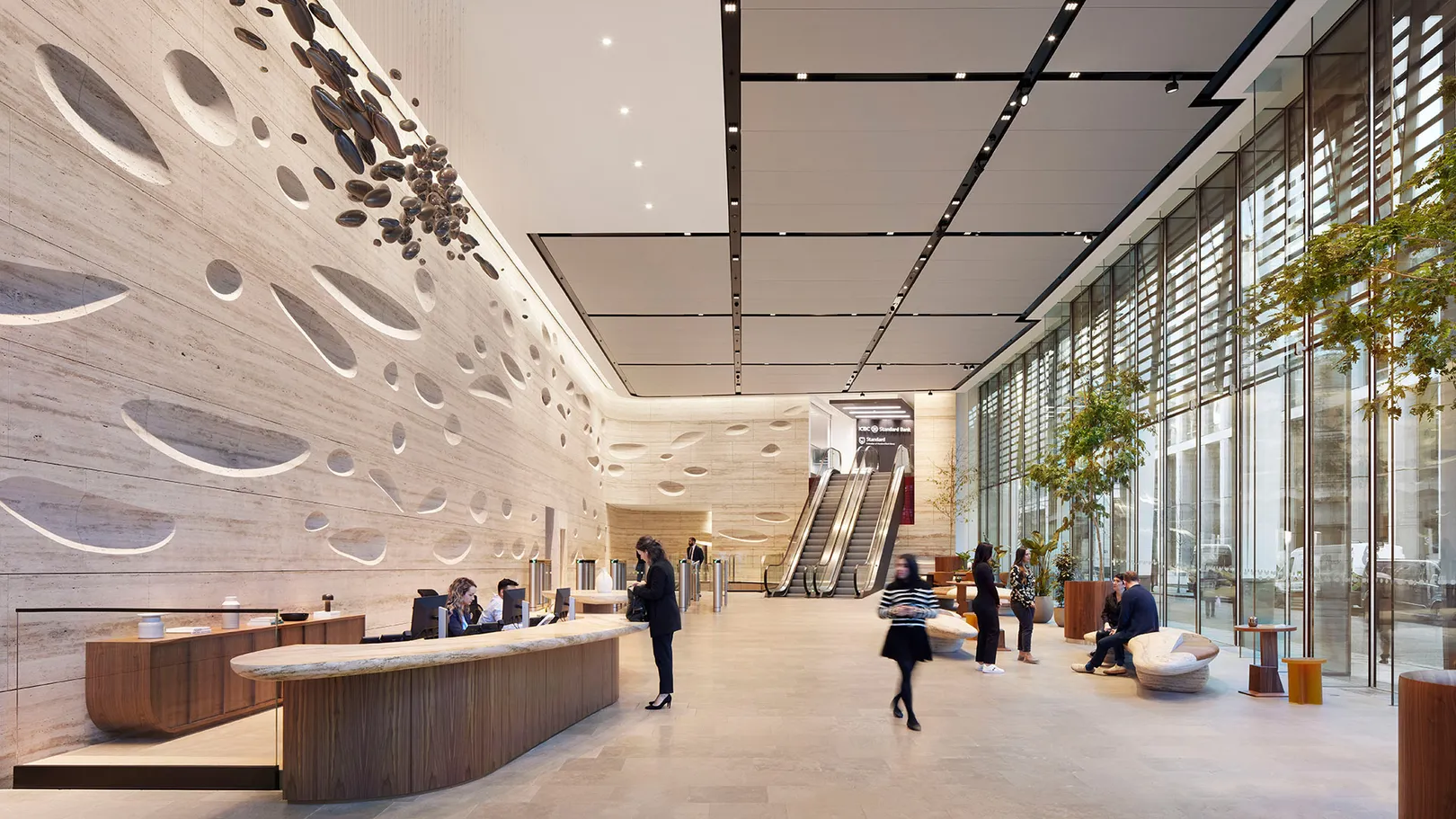
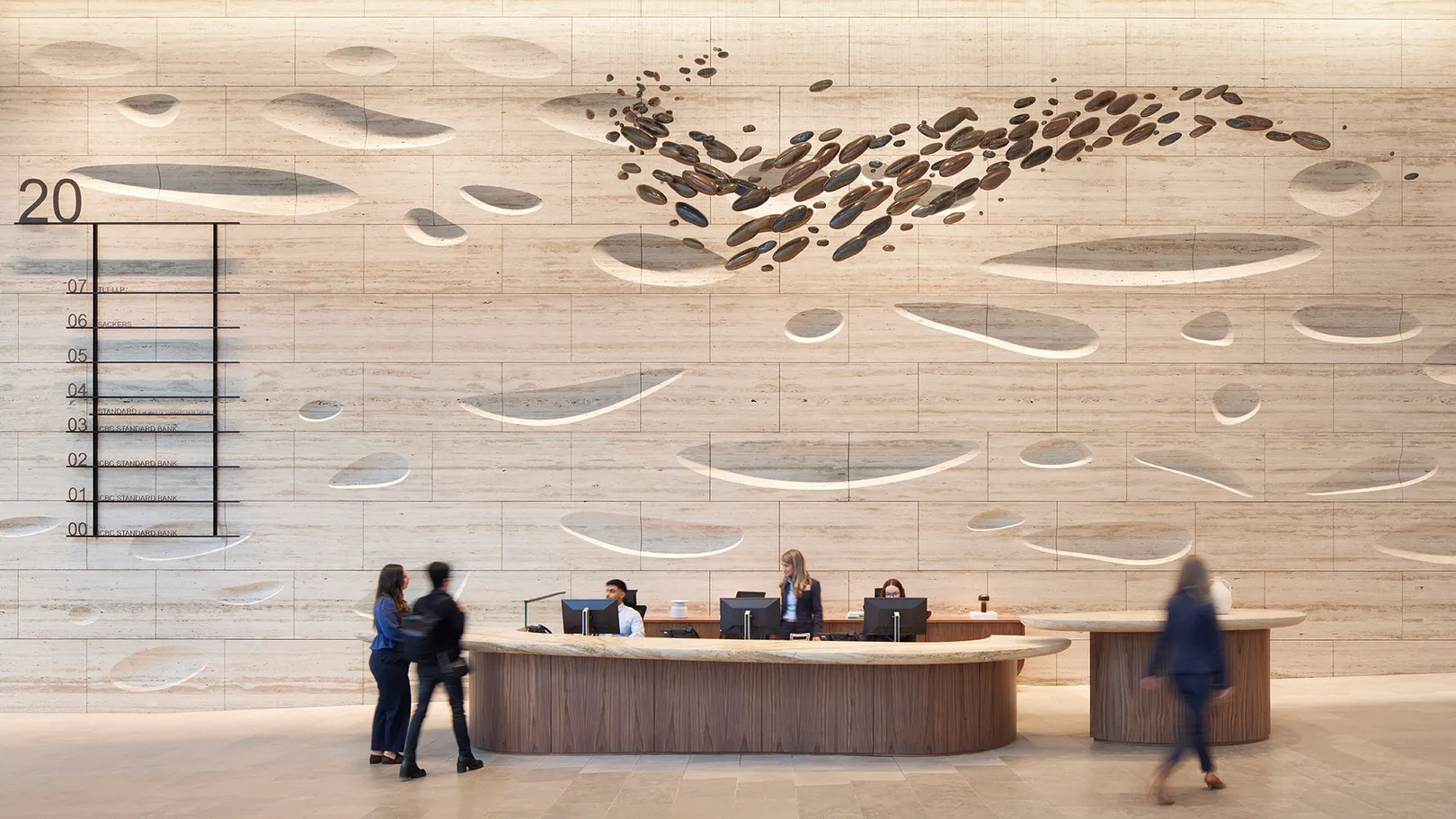
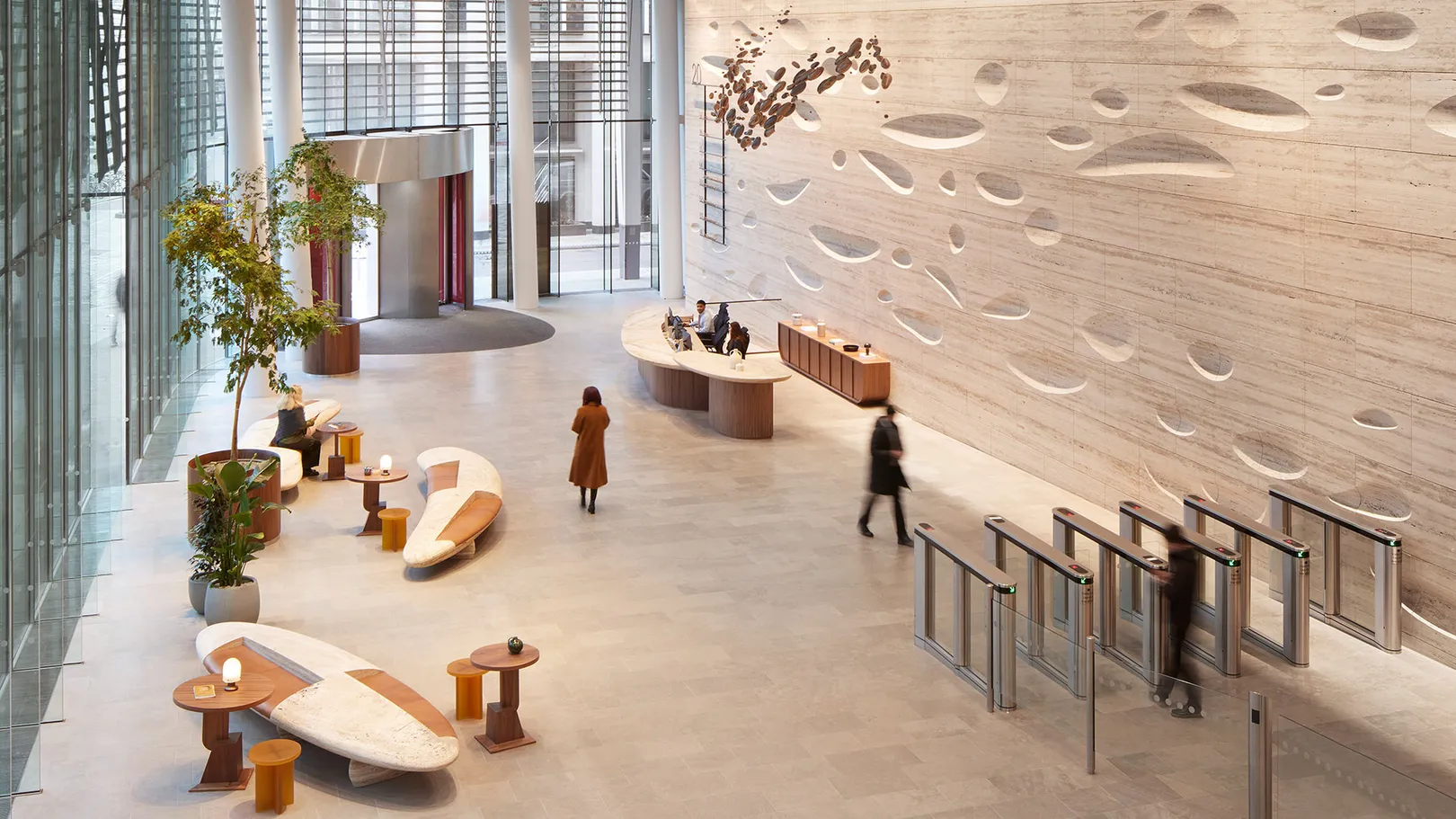
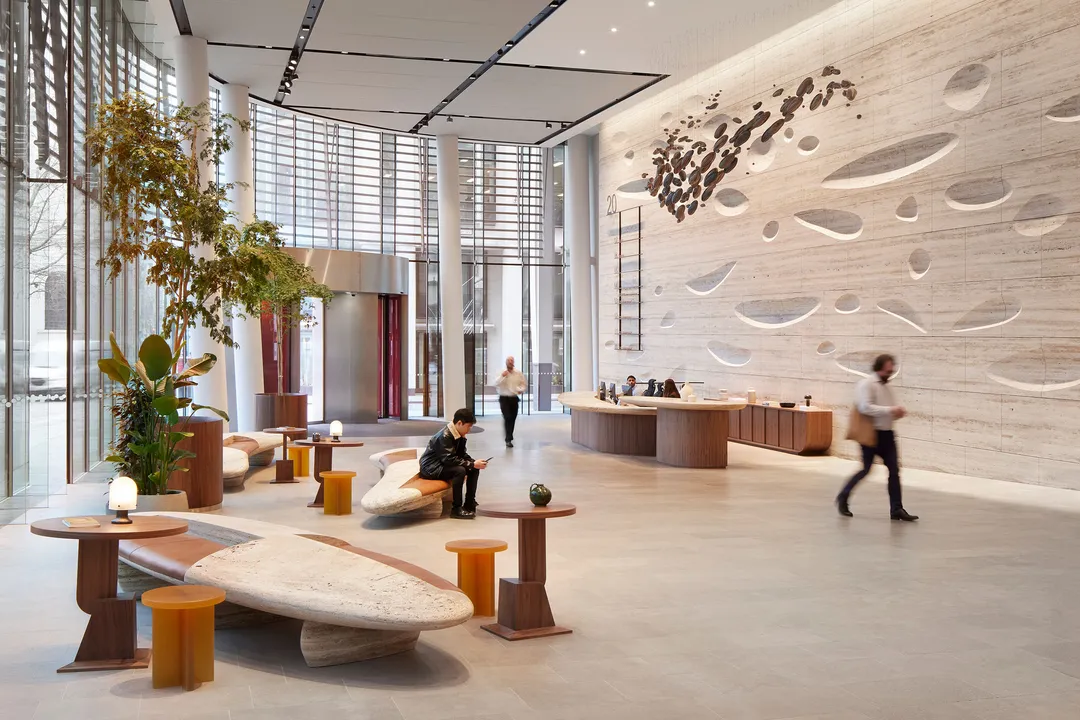
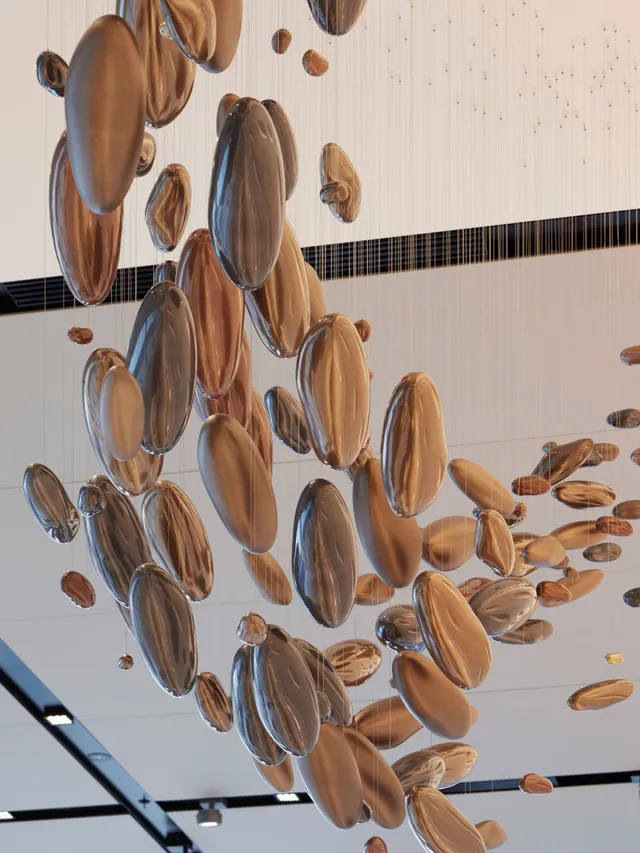
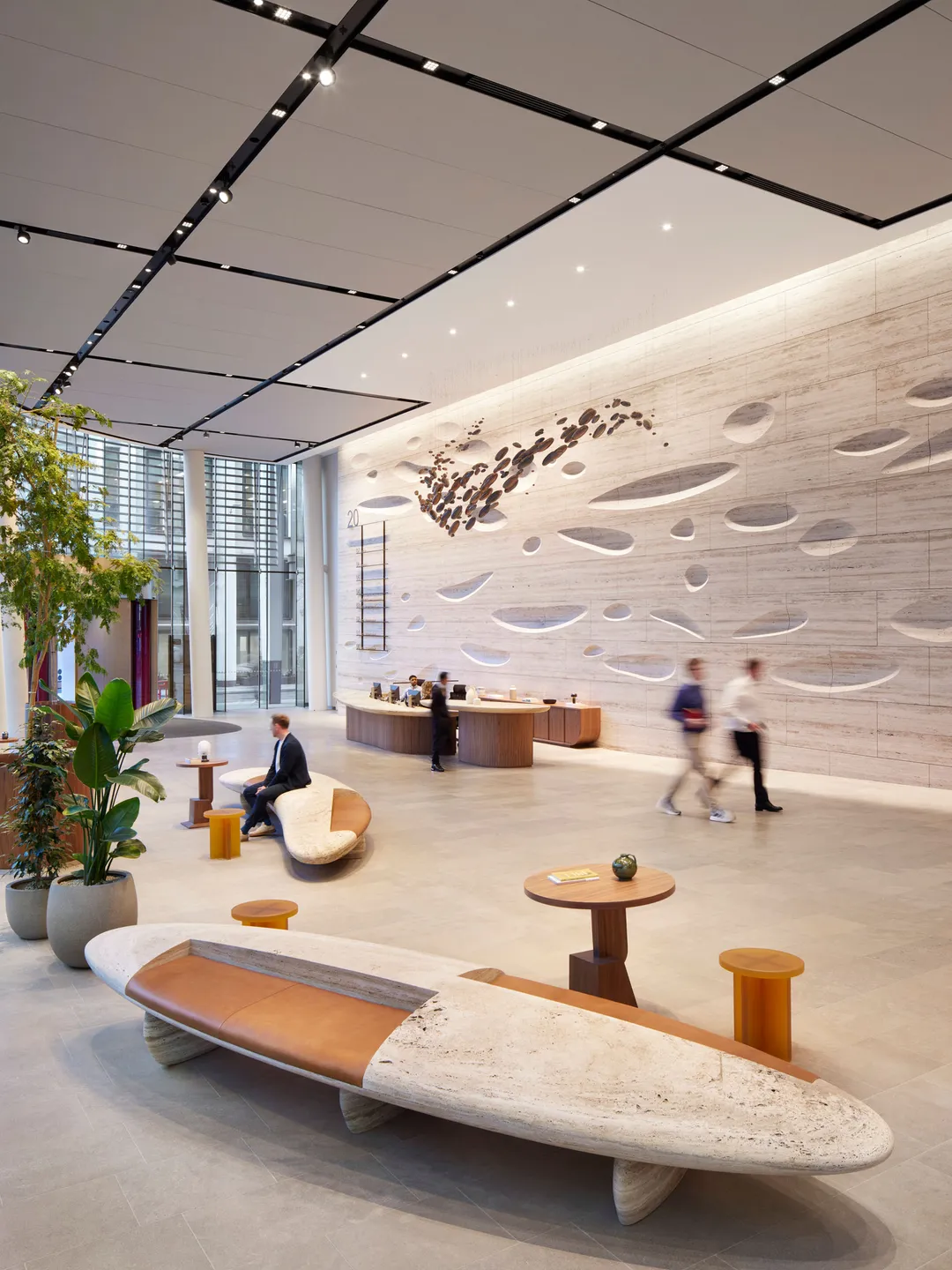
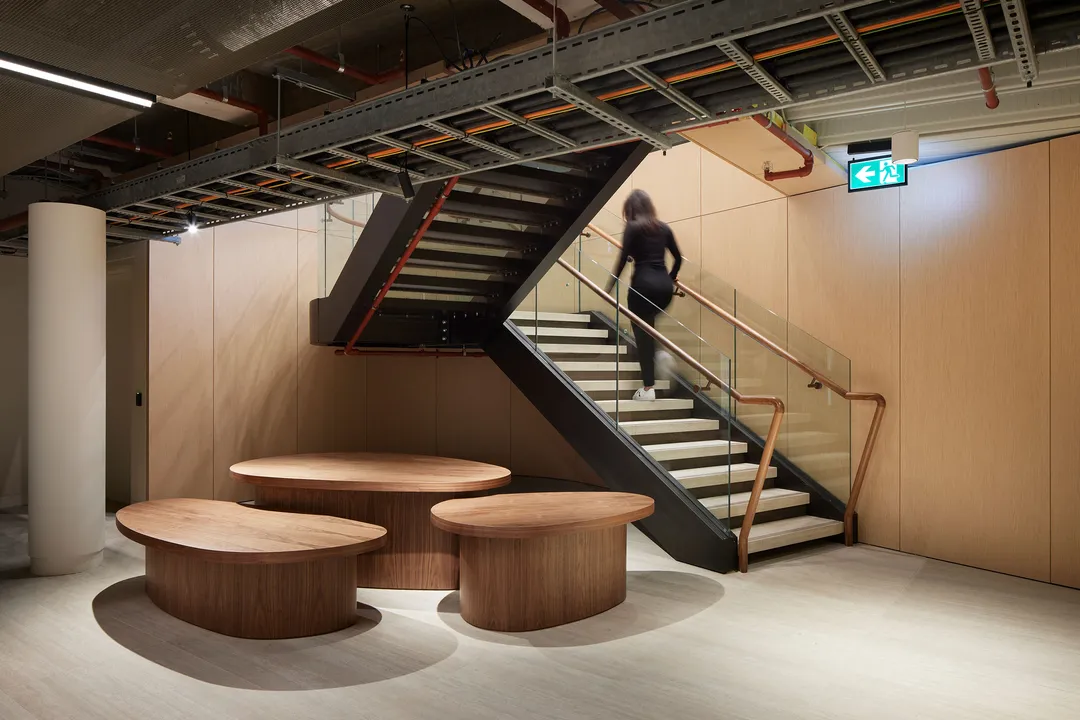
The transformed, hospitality-style entrance creates a distinctive arrival experience featuring sculptural furniture, a bespoke pendant above the reception desk, a fabric acoustic ceiling, upgraded reception desk, and an enhanced lighting scheme. A new feature staircase provides direct access to high-quality end-of-trip facilities, cycle storage, maintenance areas, showers, and changing rooms. In addition, 5,852m² of office space has been enhanced to a high-specification CAT A standard.
Arrival
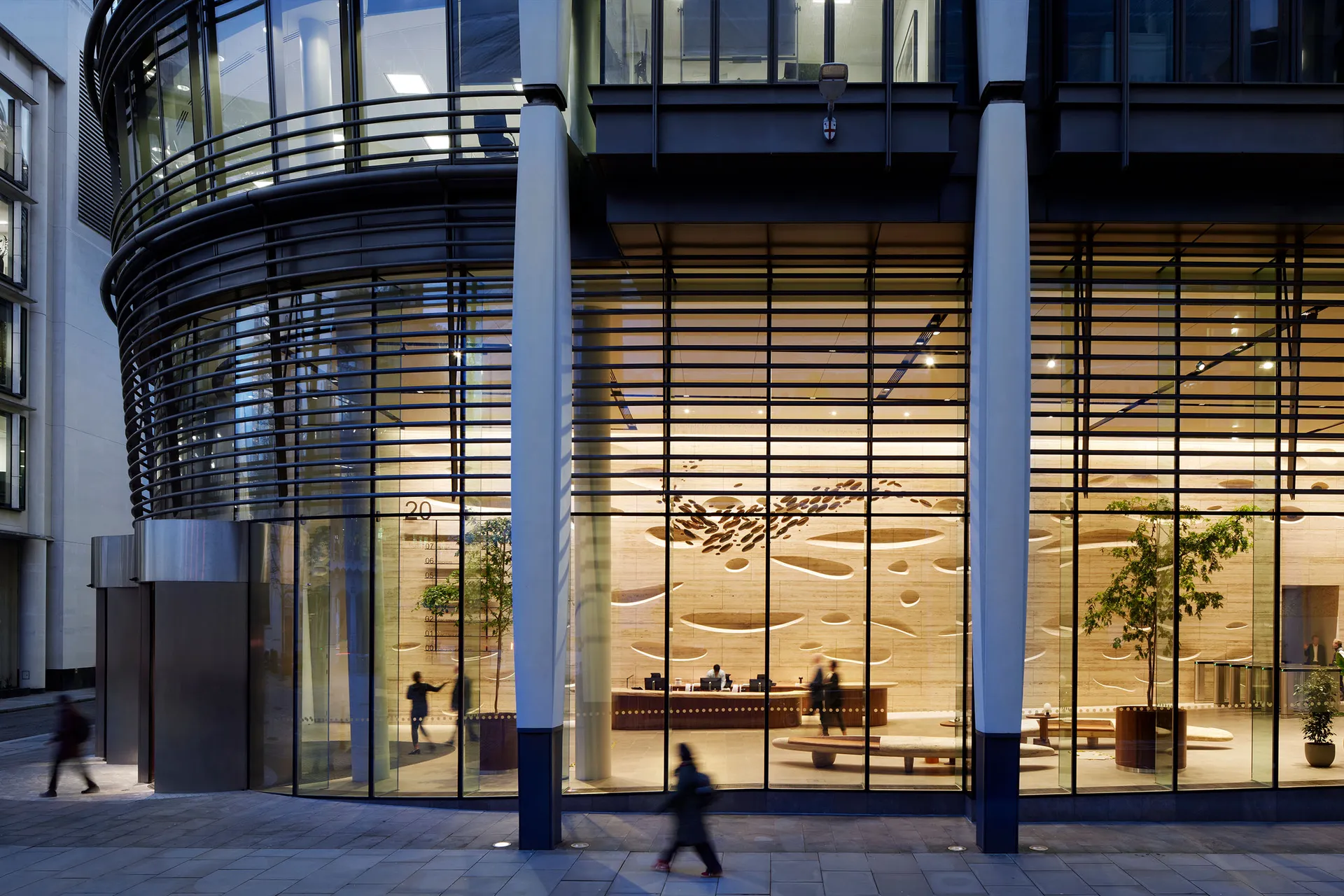
JRA set out to sensitively reposition the building, improving the arrival experience through carefully curated interventions and artistic collaborations. The refurbishment addresses both operational efficiency and user experience, transforming previously underutilised spaces into welcoming, lively areas.
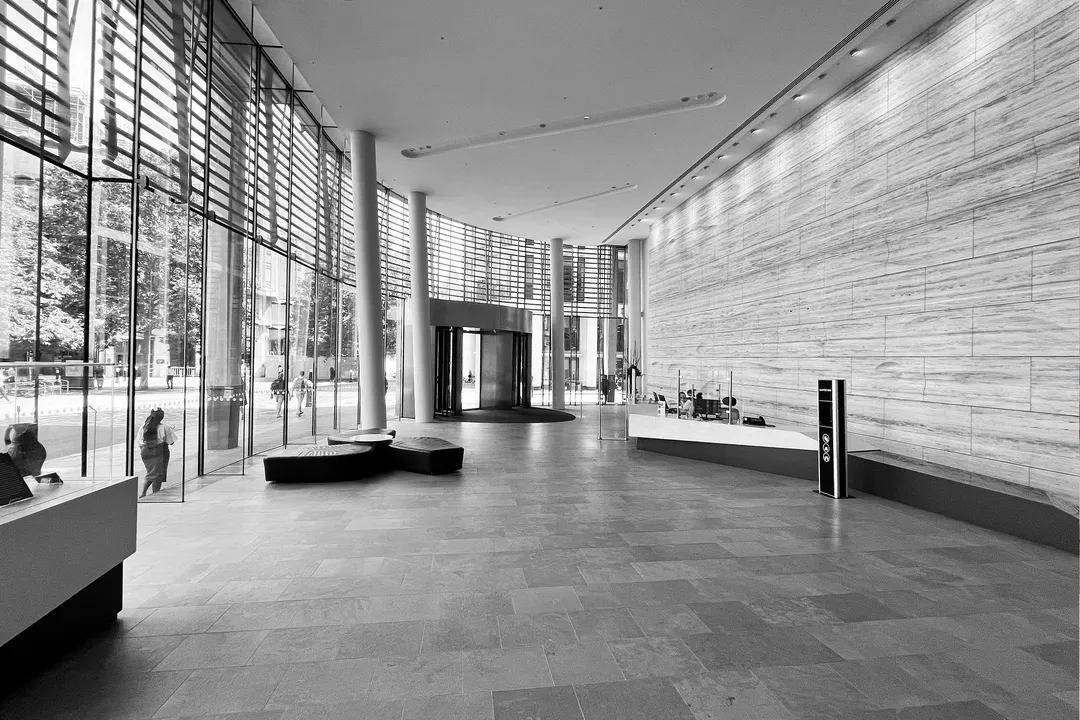
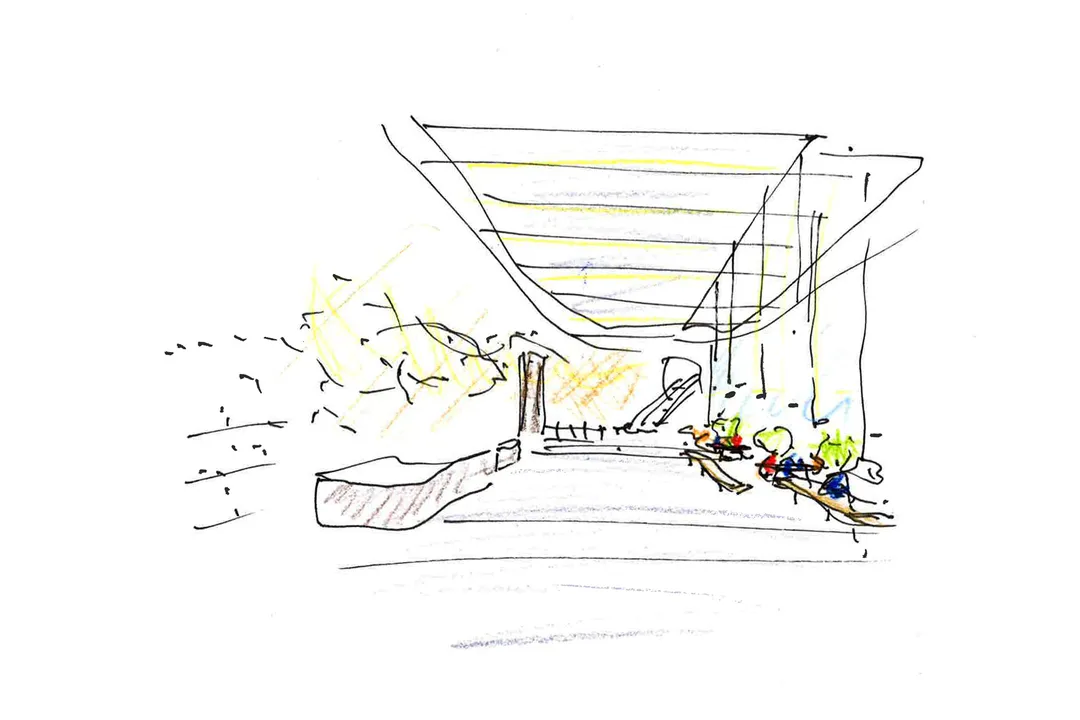
The standout feature of the refurbishment is the reimagining of the existing double-height ground floor entrance hall, which was dominated by a full-height sculptured travertine stone wall with full-height glazing along Gresham Street.
A major challenge was the poor acoustics within the hard-surfaced entrance hall, where noise from conversations, footsteps and escalators reverberated. In response, JRA introduced an acoustic fabric ceiling with integrated service channels, significantly improving sound quality while creating a more welcoming, hospitality-inspired environment designed to encourage social interaction and gathering. This intervention enabled a new lighting strategy, developed with consultants Equation, most evident in the recessed cove above the travertine wall, where its texture and natural forms are now highlighted and fully celebrated.
Genius loci and natural metaphors
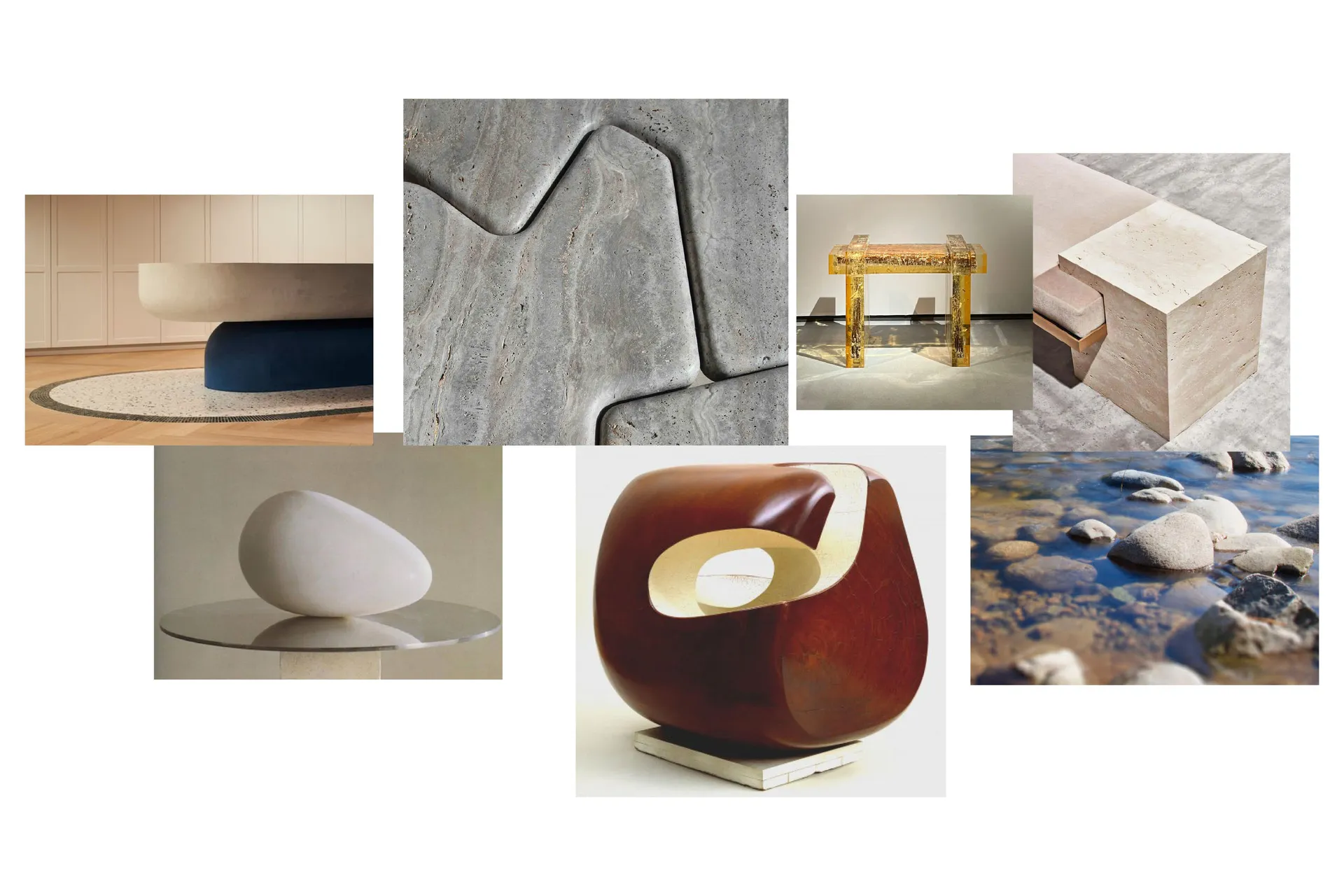
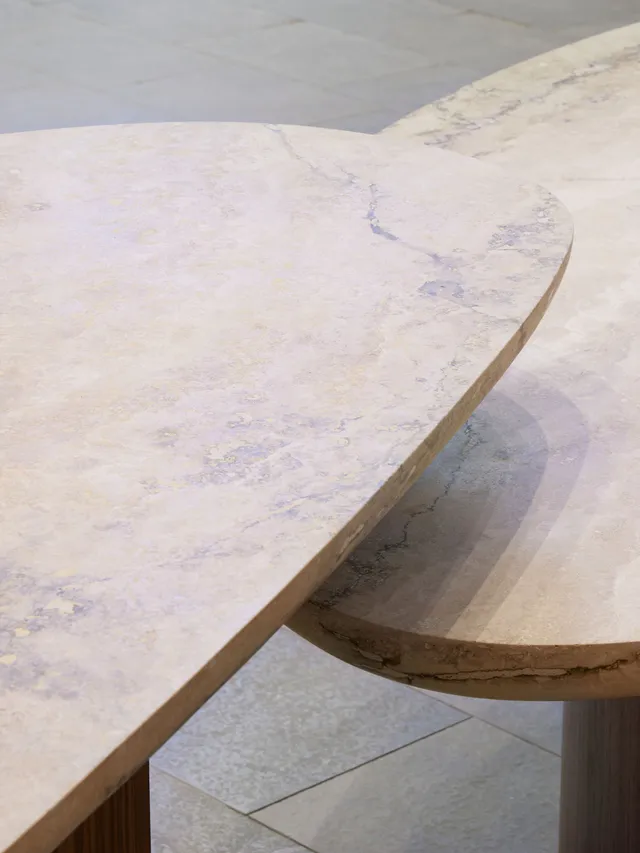
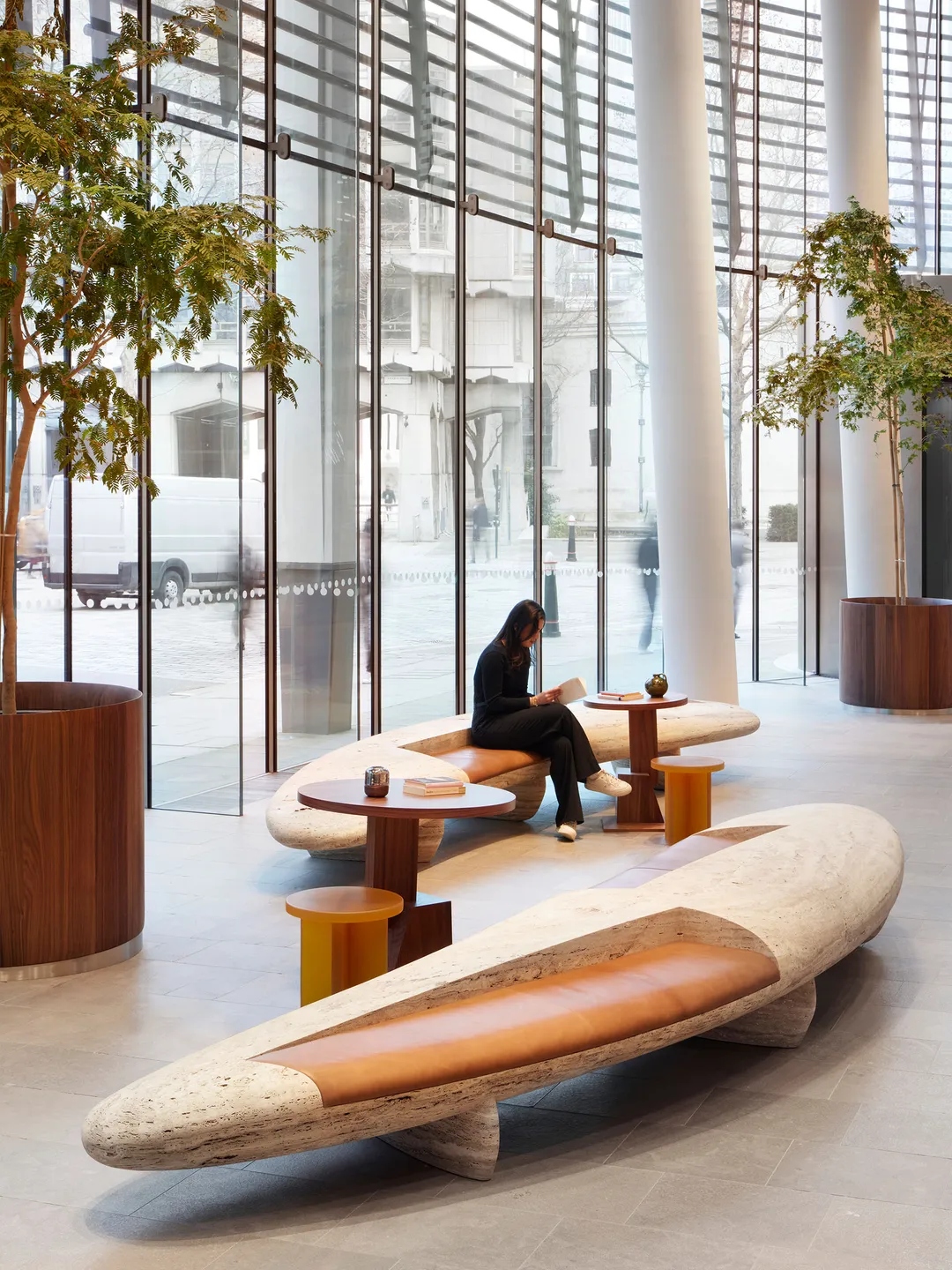
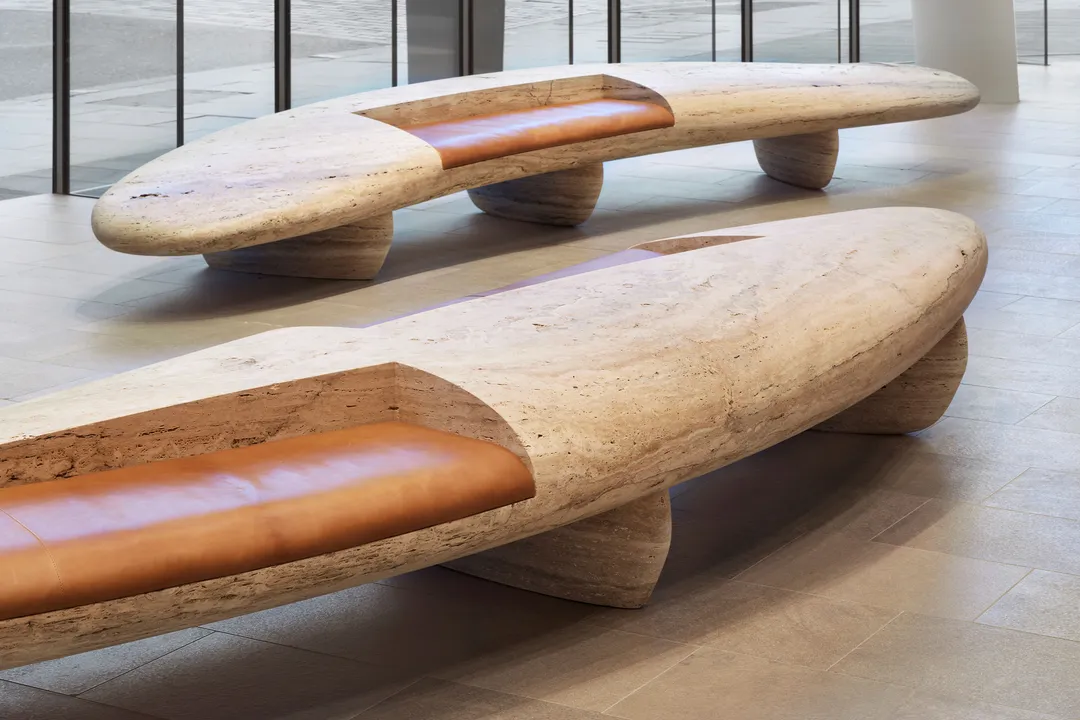
The materiality of the feature wall, linked to the Roman heritage of the site, informed the reimagining of the space with travertine and a nature-based design concept, which introduced four sculptural benches and a bespoke reception desk designed by JRA, all made with travertine from the same quarry.
Refined reception materials
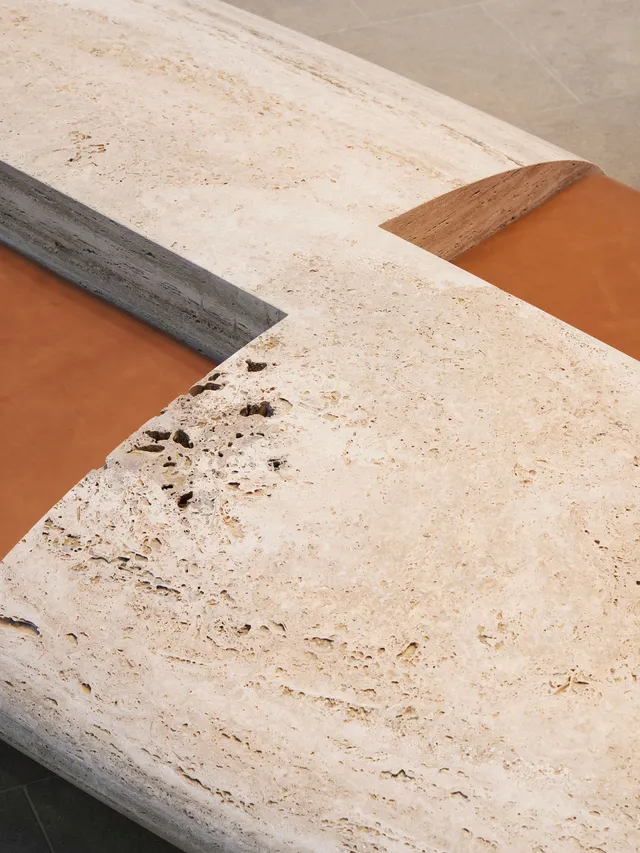
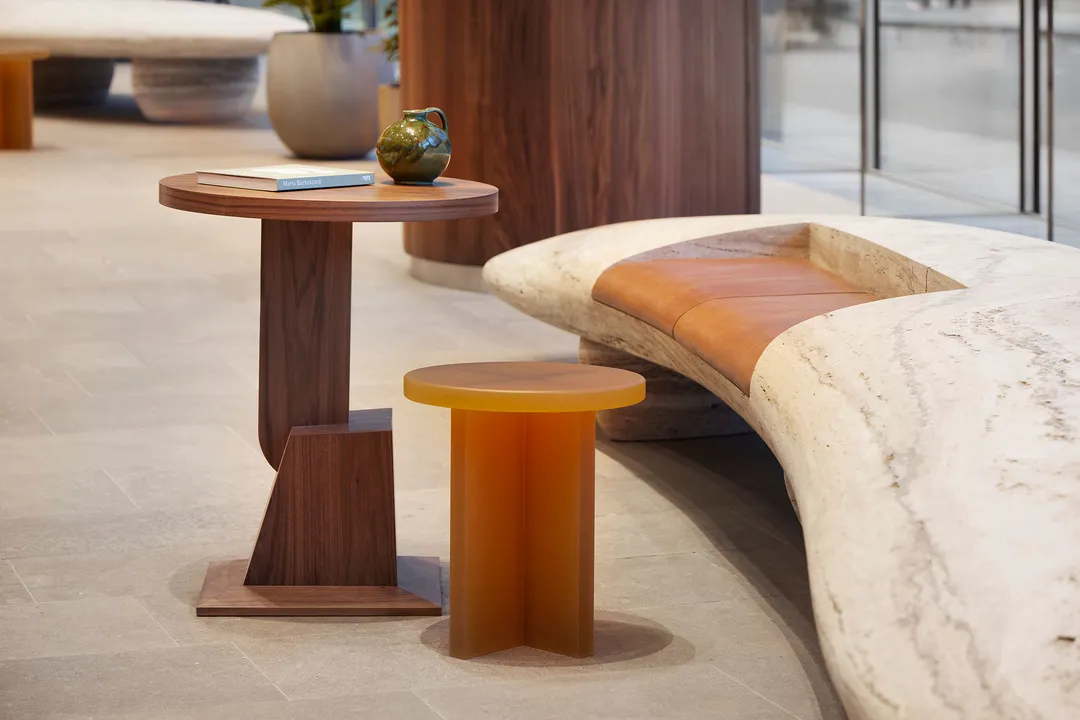
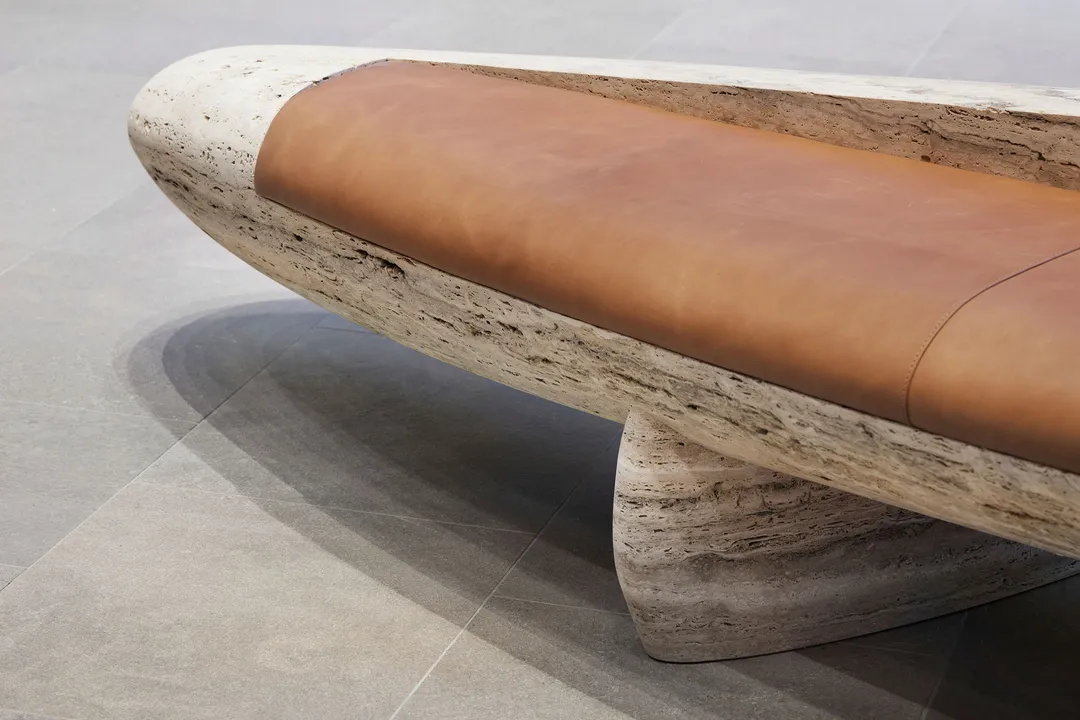
JRA carefully designed the reception desk and the furniture surrounding the benches to establish a strong, cohesive identity. Walnut tables introduce warmth, while resin stools add honeyed tones and a sense of transparency, in juxtaposition with the solidity of the benches and interacting with the light-filled space. The tactile qualities of timber, stone, and leather shape the reception design and inform the refined material palette carried throughout the building.
A curated space
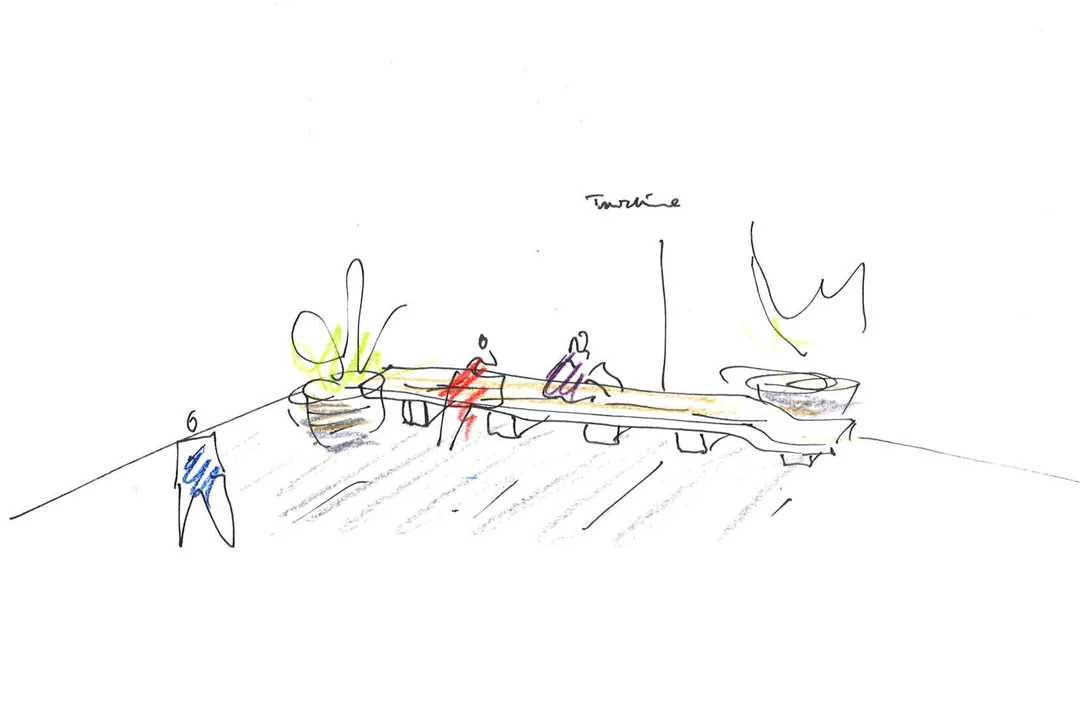
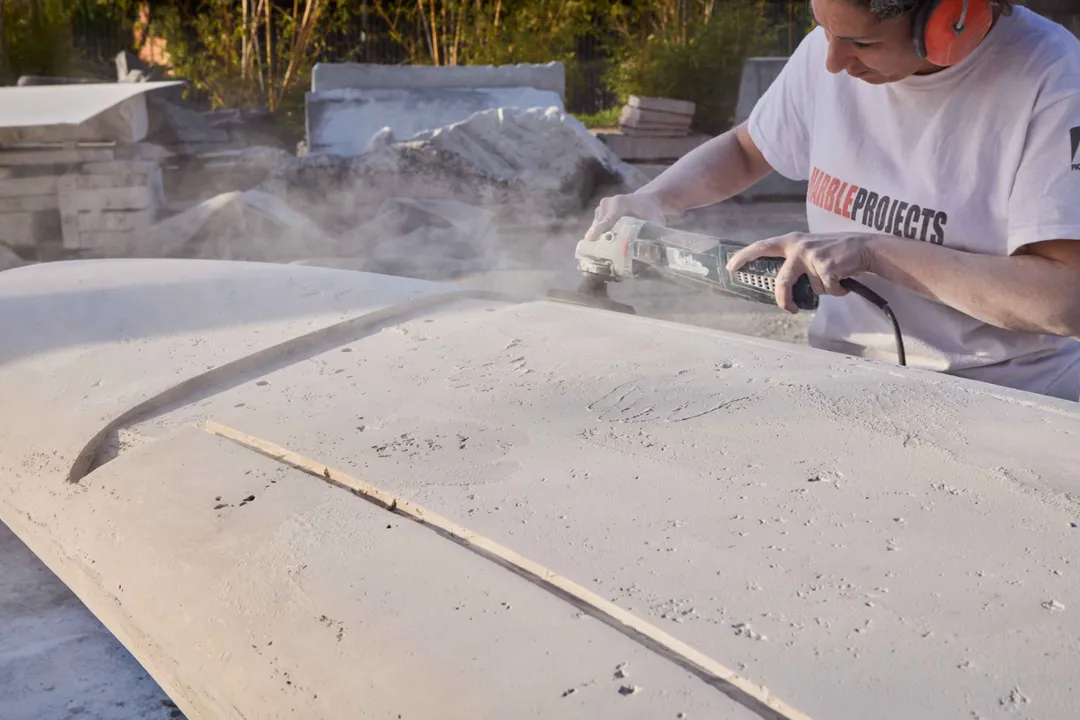
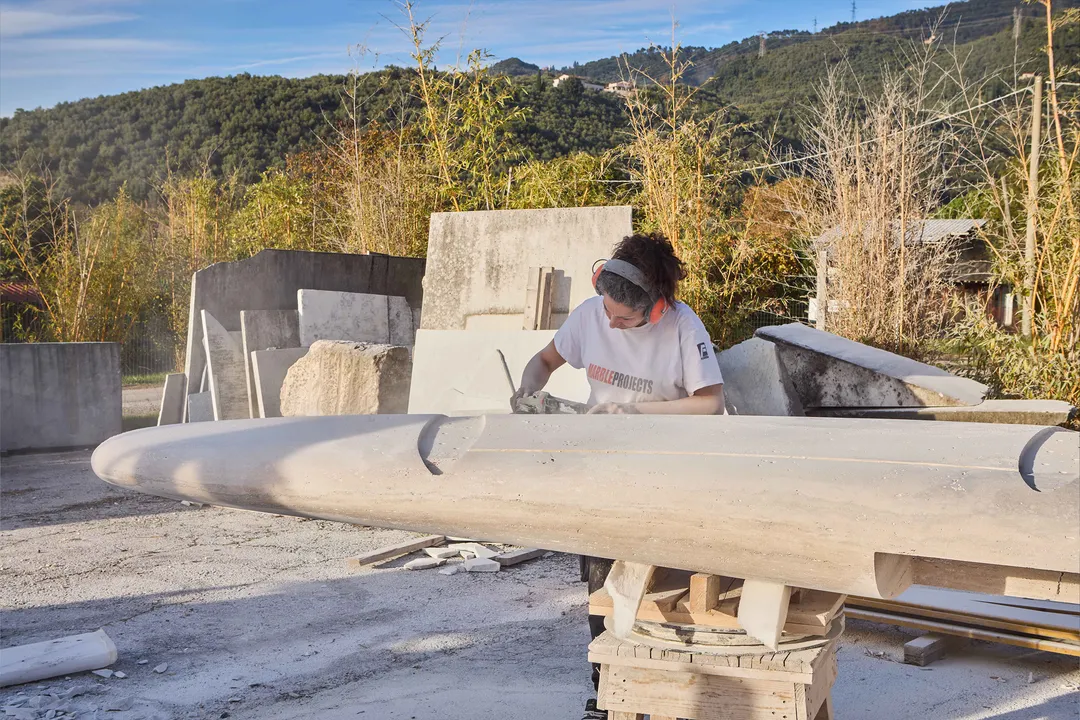
Designed in collaboration with renowned artist David Worthington and Marble Projects, the ‘pebble’ shaped benches were conceived as sculptural elements that introduce texture and visual identity to the space, while also acting as functional seating for visitors.
Crafted from travertine sourced and cut from a single block at the S.I.T.I. Travertino Toscano quarry in Tuscany, the largest of the benches, measures up to 5 metres in length and weighs as much as 2.5 tonnes. Informed by JRA’s original riverbed concept and the language of natural travertine formations, the ‘pebble-like’ benches create an informal setting for spontaneous meetings, moments of pause, and conversation.
Cat A Office Upgrades
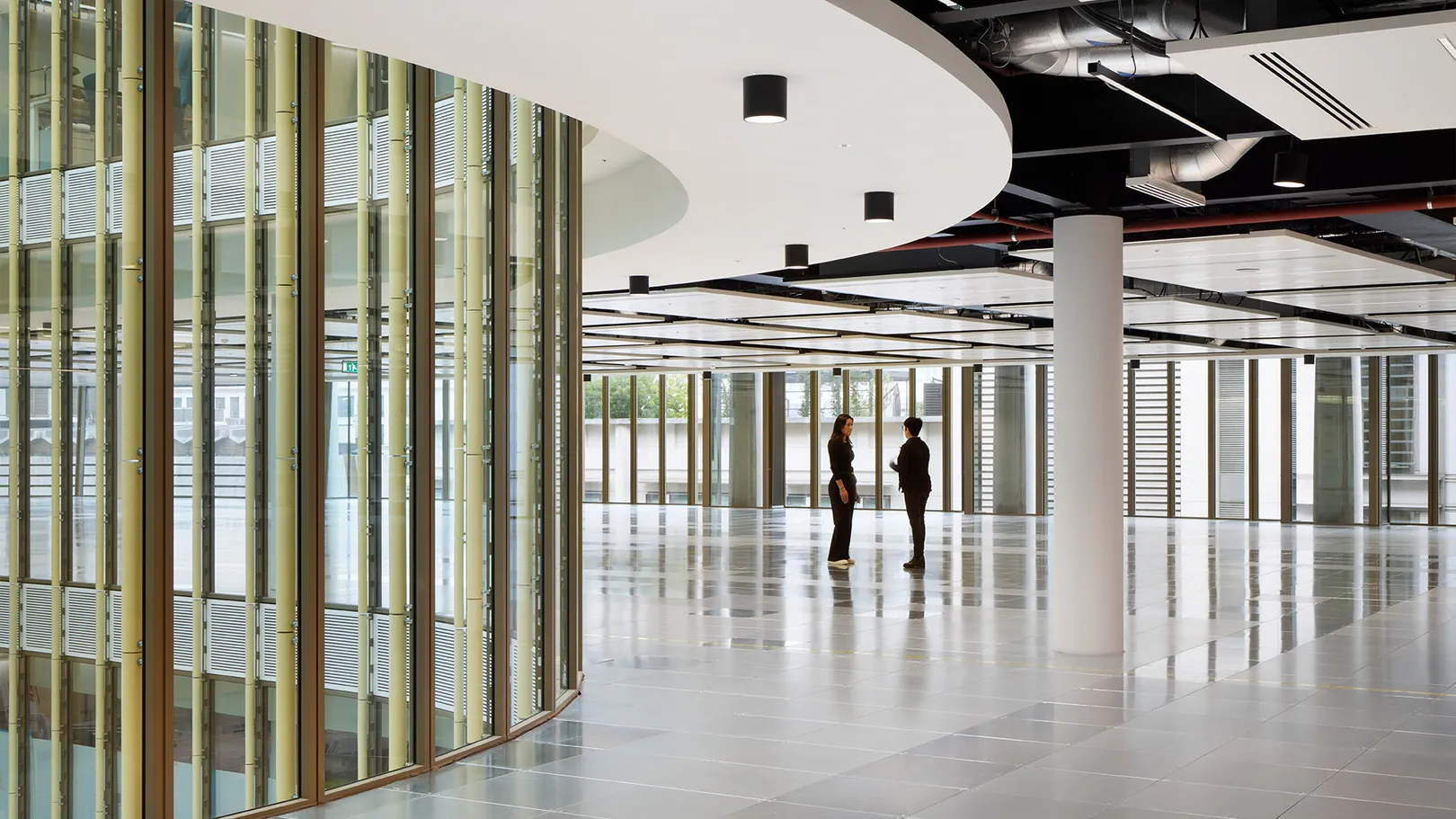
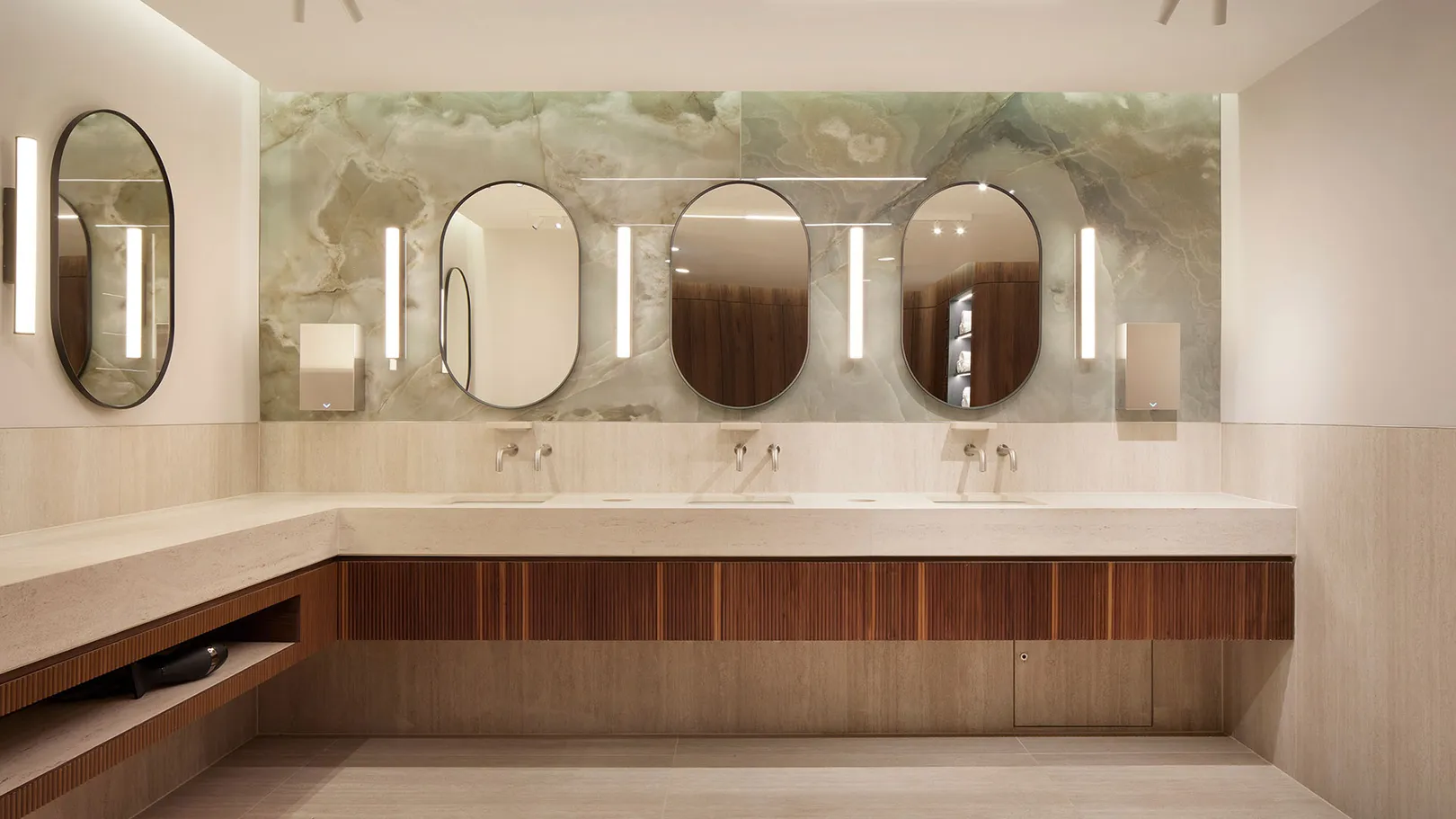
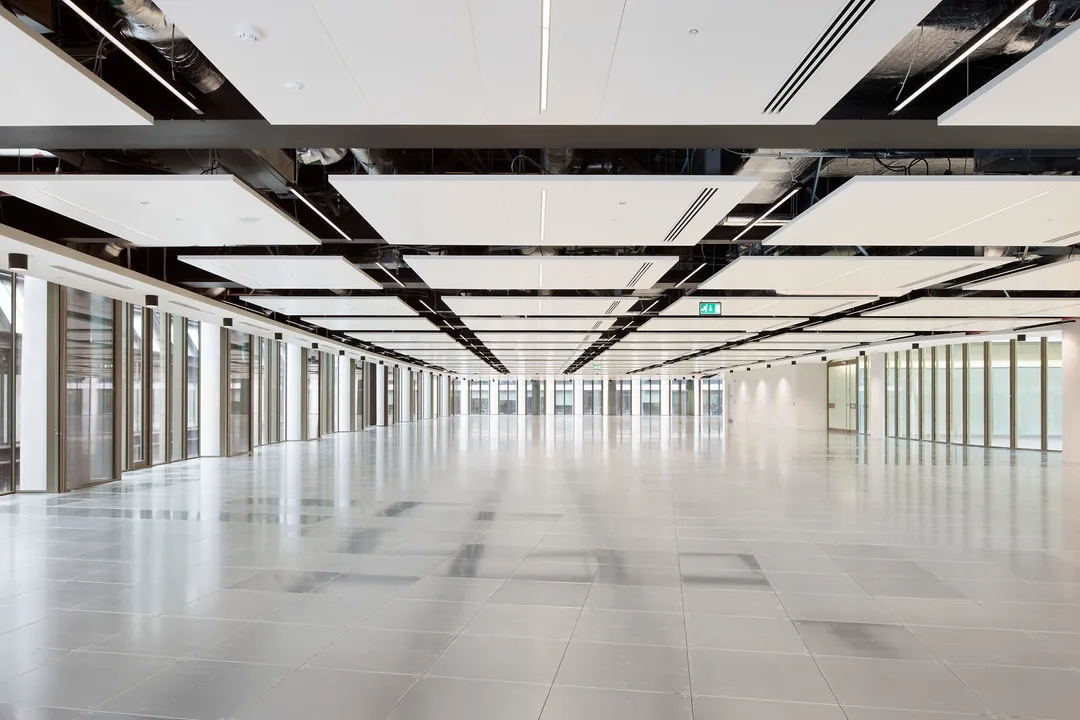
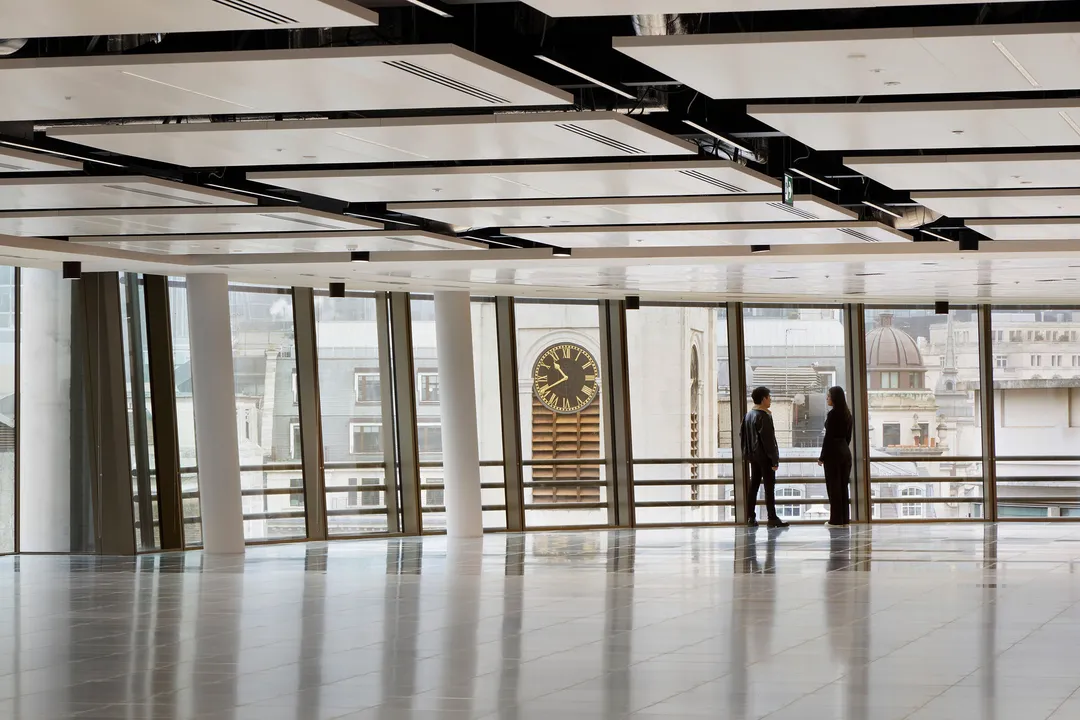
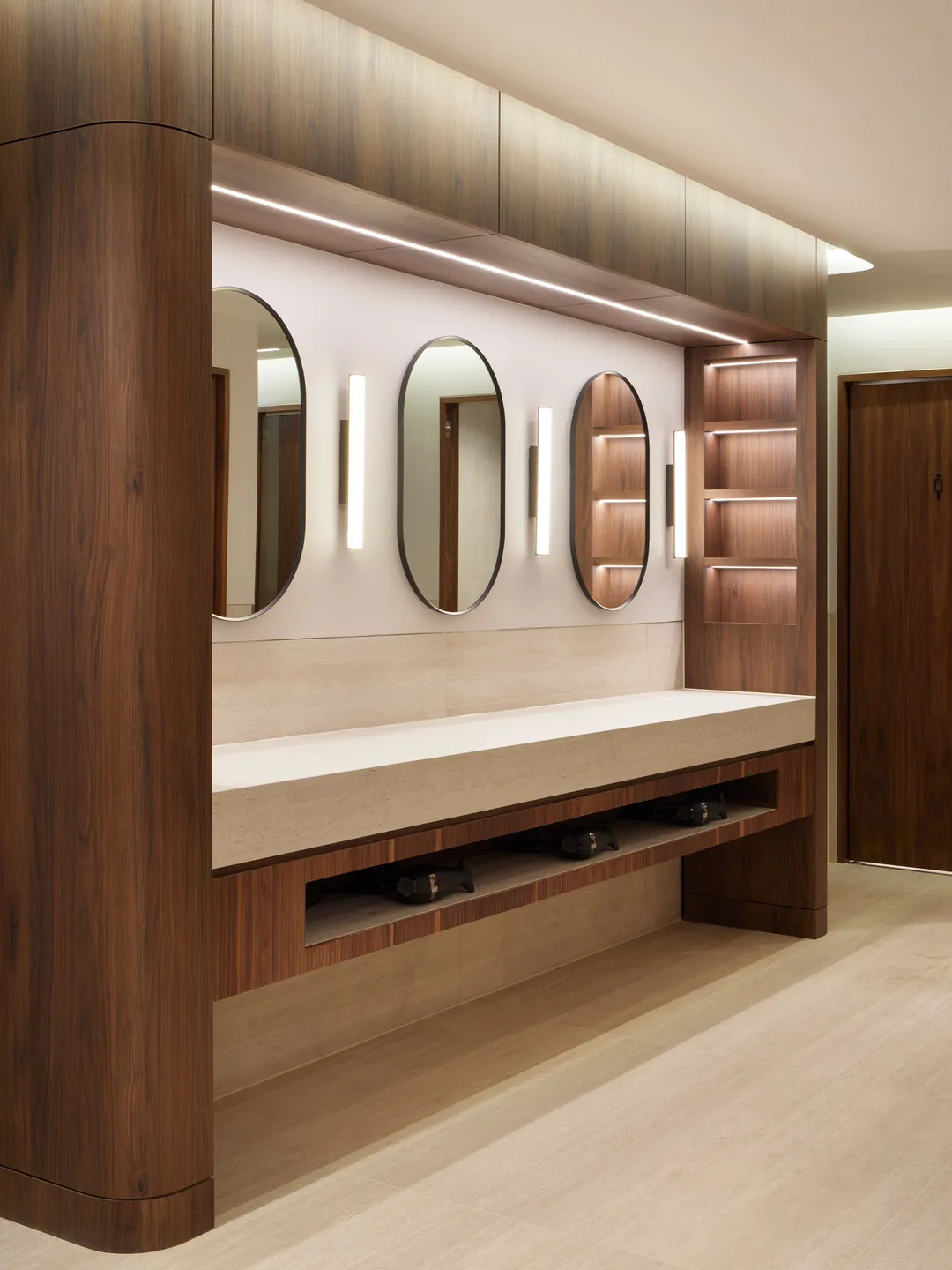
The upgrade of 5,852m² of office accommodation implements targeted interventions with maximum spatial impact. The retrofitted CAT A spaces have been delivered to modern standards, incorporating raised flooring, raft ceilings, upgraded M&E services, and significantly improved WC facilities. The office floorplates incorporate a flexible design to accommodate for cellular offices, smaller meeting rooms, and zoning, allowing them to offer split tenancies. This approach allows future tenants CAT B layout flexibility, without the need for major alterations to the base build.
Active Commuting & Wellbeing
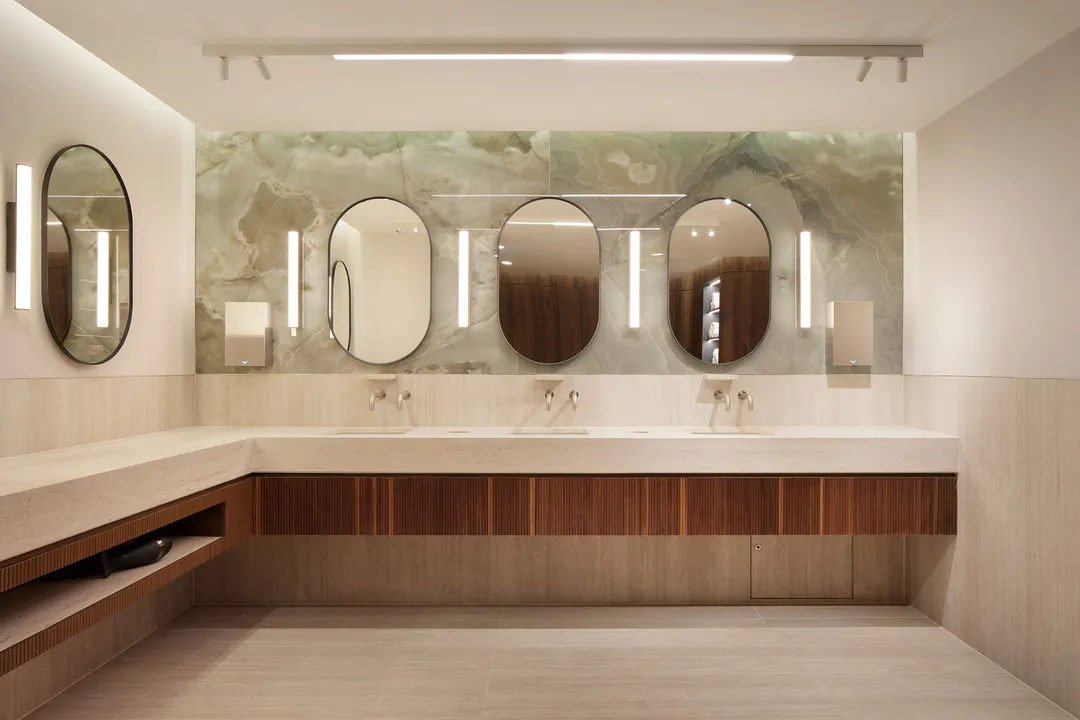
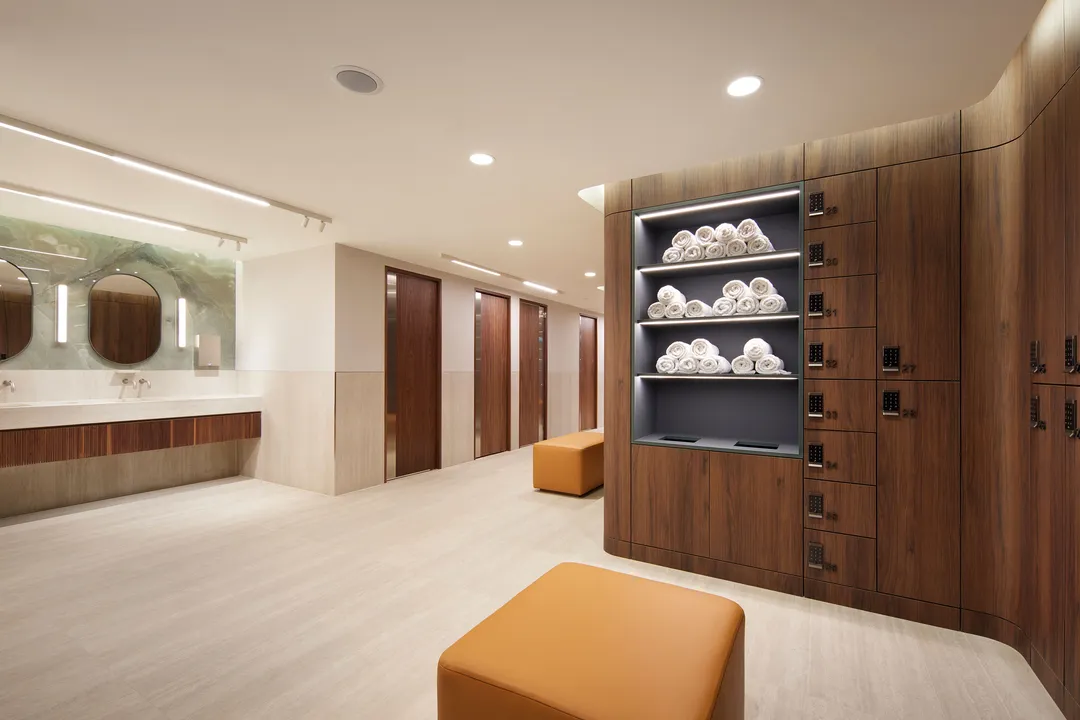
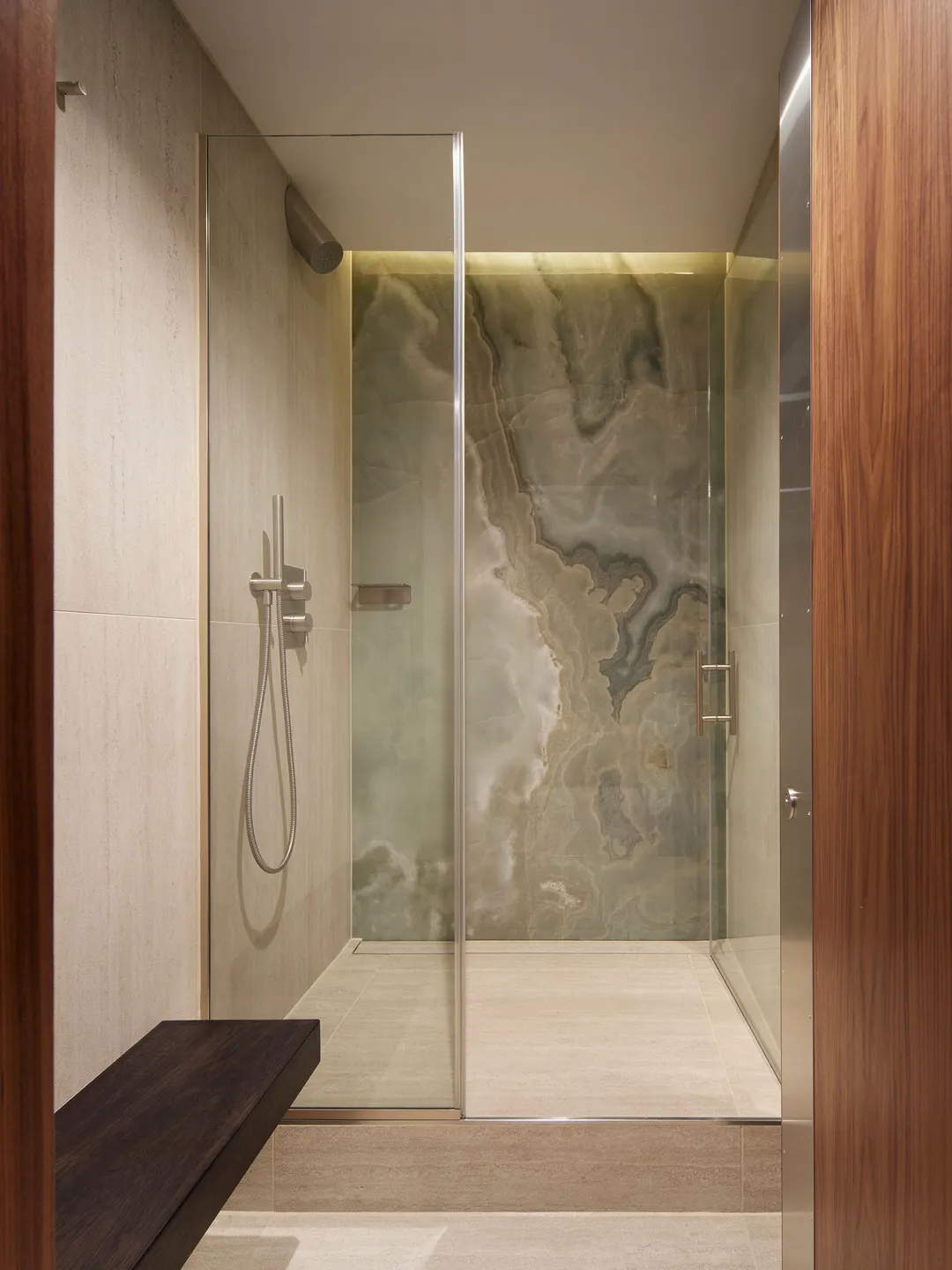
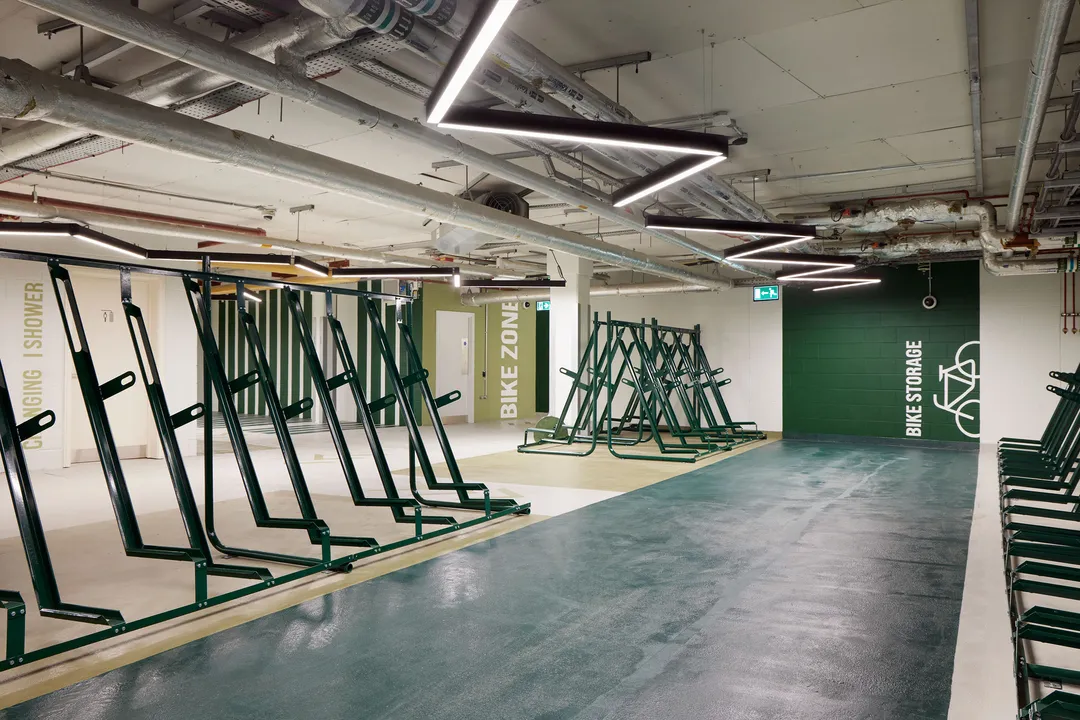
The new basement end-of-trip facilities include enhanced cycle storage, maintenance areas, and high-quality shower and changing rooms, now directly accessible from the entrance hall via a new staircase. These amenities support sustainable commuting and hybrid working, encouraging active, modern workplace lifestyles.
Prioritising Reuse and Longevity
A sustainable approach underpins the refurbishment. Key elements, including the solid Tuscan travertine wall and natural stone flooring, have been retained and reused, while new, high-quality and durable elements have been introduced with longevity in mind, strengthening environmental performance, and the relationship between old and new.
The project extends the life of a 2008 building while aligning it with modern standards. New end-of-trip facilities encourage low-carbon commuting, while adaptable ceiling rafts and zoned services support flexible tenancy layouts and reduce future waste. Together, these thoughtful interventions deliver a high-performing, adaptable, future-proof workplace that is as good as new.